
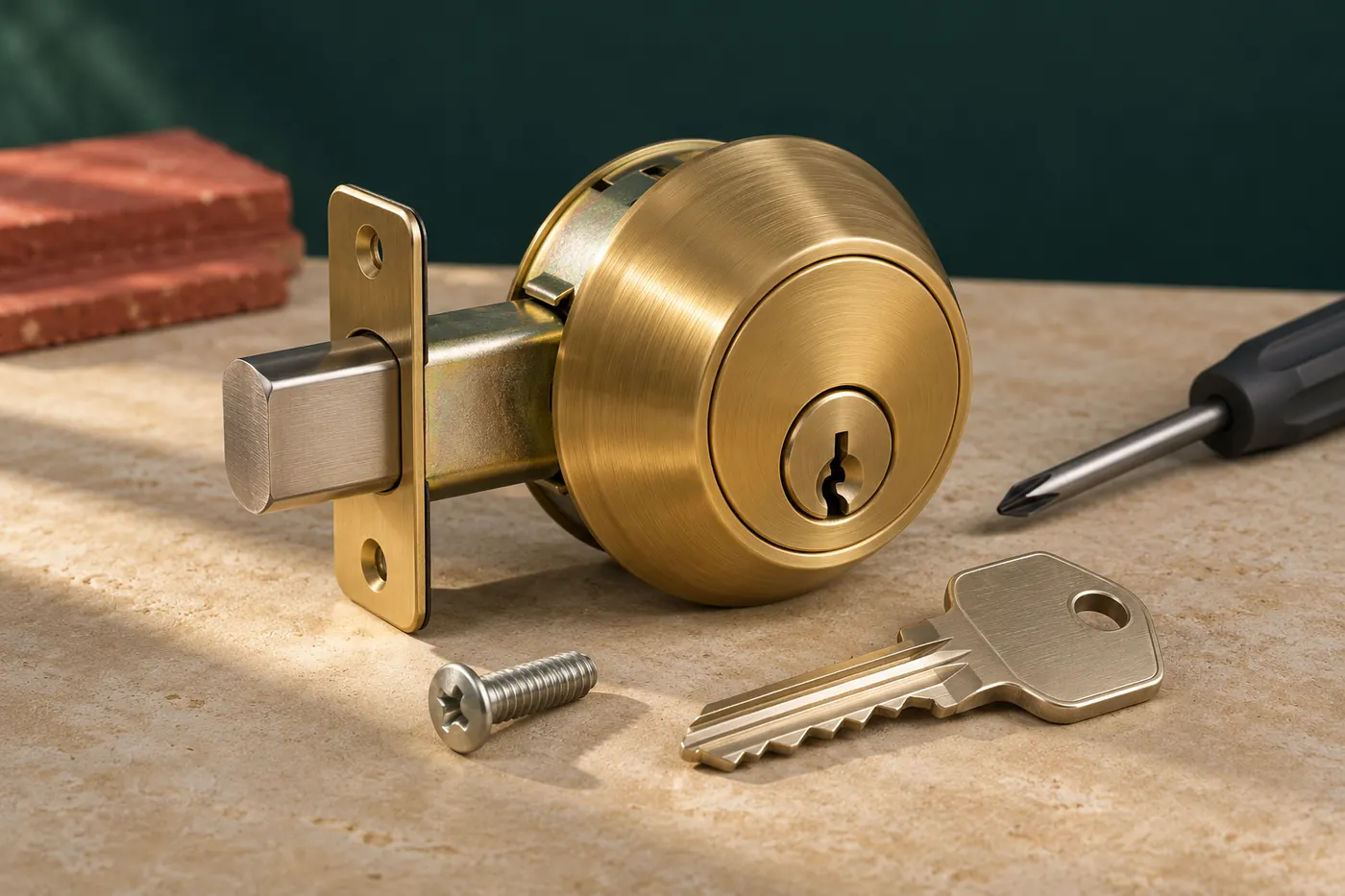
Rekey or replace? Start with what changed.
A different key and a different lock can solve different problems. The useful starting point is why you want a change.
When the keys are the concern
You may have moved in with no clear record of old copies. Or a key may be missing while the lock still works normally. A rekey changes the key that operates a suitable cylinder; it does not automatically mean changing the whole handle or deadbolt.
That can be a sensible question to ask about serviceable hardware. The actual cylinder and key system determine whether it is possible. Similar-looking locks do not necessarily share compatible parts.
When the hardware is the concern
A loose handle, a damaged cylinder or a key that no longer works smoothly may raise a repair or replacement question. A door that needs lifting to latch can also point beyond the lock itself.
Our locksmiths check the door, frame and strike as well as the cylinder when an entrance has become difficult to use. Tell us how it behaves. At LockReach, we can explain which repair addresses the fault rather than change a part and leave the same problem behind.
When several doors are involved
Count each keyed cylinder rather than assuming one door means one lock. Decide who needs access to which entrances and whether any should remain separate. A shared key may be convenient when the hardware is compatible.
For rentals and shared buildings, obtain approval from the responsible person. Your private entrance and a common doorway may involve different responsibilities. Do not alter a shared lock simply because your key opens it.
Make the choices comparable
Ask what the rekey proposal includes and which existing parts stay. For replacement, identify the proposed hardware and any additional door work. Comparing the choices is easier when they cover the same entrances and access needs.
Check the agreed keys and normal door operation afterward. Keep a simple record of who holds copies. A change of hardware is only one part of knowing who can use an entrance.